
Same foundation · Different aromatic note
Reviving Mint
A gently cool-feeling glide with a peppermint-forward, crisp herbal fragrance.
Compare the ritualsHERFORM · The ingredient library
Origins, Tradition & Science
Seven ingredients. One thoughtful foundation for cosmetic body care. Discover the plants, preparations and research behind our intended wax blend — and where the evidence stops.
Illustrative ingredient photographs, not manufacturing photos or evidence of batch contents.
Same foundation · Different aromatic note
A gently cool-feeling glide with a peppermint-forward, crisp herbal fragrance.
Compare the ritualsSame foundation · Different aromatic note
A smooth, softening glide paired with a soft floral aroma.
Compare the rituals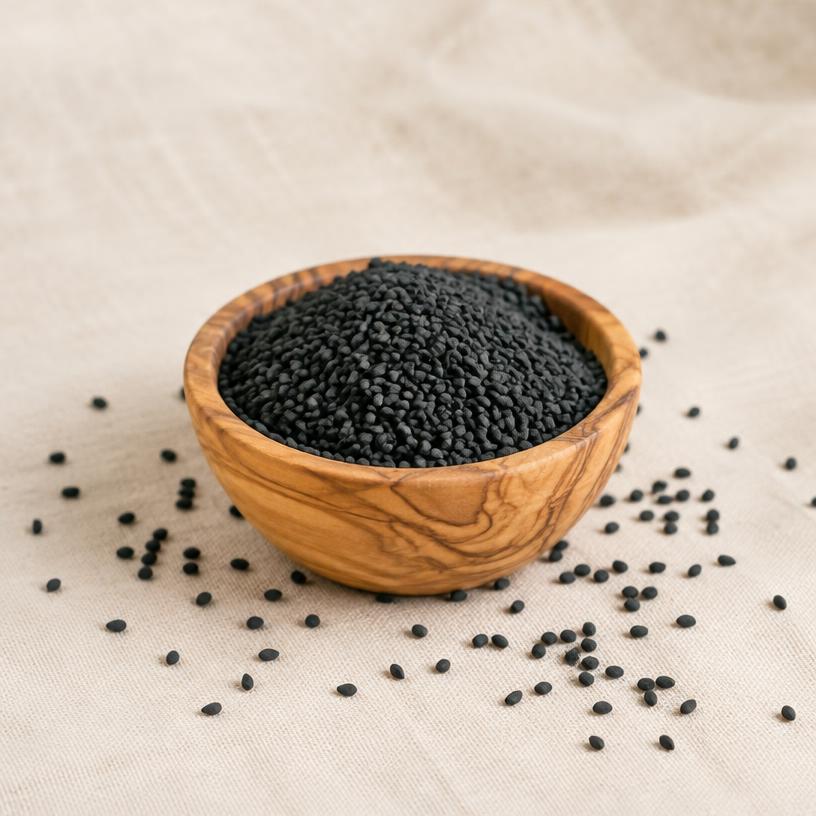
Carrier oil · Both rituals
Nigella sativa
A conditioning botanical foundation
Oil from the seeds. HERFORM's intended selection is premium cold-pressed Nigella sativa seed oil; batch extraction documentation remains to be verified.
A botanical emollient for conditioning skin within the shared oil-and-wax base.
Kew records the species' native range from Romania to western and southwestern Iran. This is botanical geography, not the origin of HERFORM's supplier batch.
Seeds and seed preparations have a long history in food and traditional practices across West Asia, the Middle East, North Africa and South Asia. Those uses involved different preparations and purposes; they do not establish what this wax does.
Evidence: Bench & animal research · reviews of varied human preparations
Reviews discuss thymoquinone and other constituents investigated for anti-inflammatory pathways and antioxidant activity in cells and animals. They also describe human trials of black-seed preparations using different doses and routes, including ingestion. The evidence is about those preparations, not a cosmetic wax.
Ingested black-seed trial results cannot be transferred to a diluted topical body balm. Constituent concentration, extraction, route and formulation all matter; no anti-inflammatory or clinical effect is claimed for HERFORM wax.
Premium cold-pressed oil is the owner's intended specification, not proof of certified purity. Supplier origin, identity, extraction records and batch testing/COA remain pending; no organic, pesticide-free or percentage-purity claim is made.
Aromatic note · Both rituals
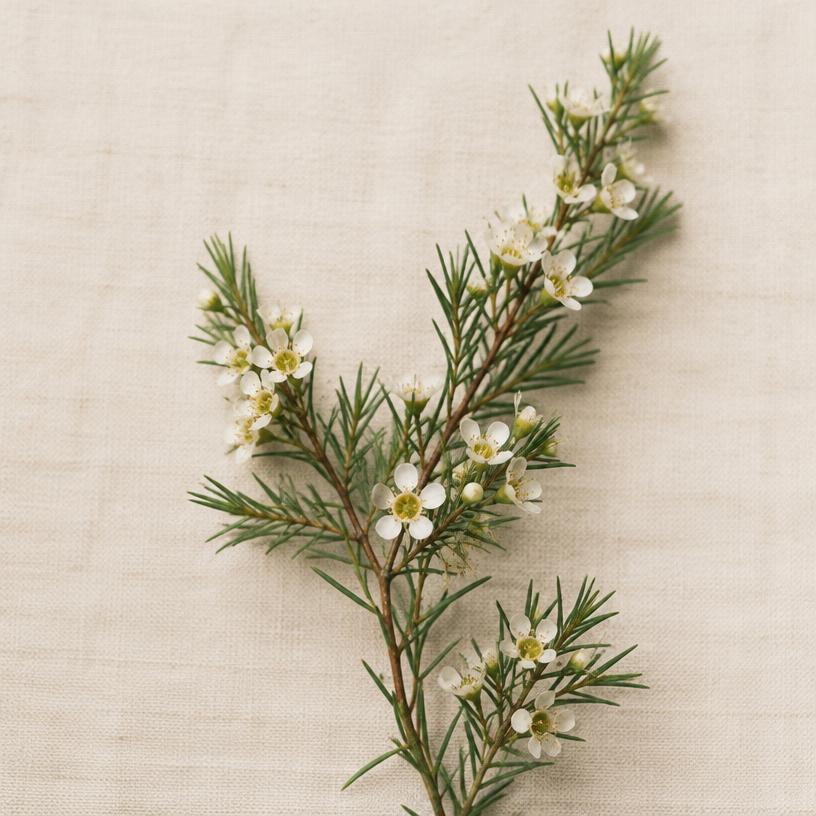
Kunzea ambigua
A fresh, woody aromatic thread
Planned leaf/branch essential-oil steam distillate. The exact plant parts, INCI and extraction method must be confirmed against supplier documentation.
A fresh, woody aromatic note linking the Mint and Rose scent profiles.
The species occurs naturally in central and southern New South Wales, eastern Victoria and Tasmania. Australian-native species identity does not establish the place where a supplier's oil was grown or distilled. It is not New Zealand kānuka, and research on kānuka species is not interchangeable.
Australian aromatic-plant literature describes Kunzea's reported traditional and informal uses. The 2015 academic review describes its anti-inflammatory reputation as largely anecdotal; that reputation is not established clinical evidence. No specific community practice or cultural endorsement is claimed here.
Evidence: Chemical composition · constituent research · limited oil-specific evidence
A 2023 University of Tasmania investigation examines variability in Kunzea oil chemistry with harvest conditions. Constituents such as alpha-pinene and 1,8-cineole have been investigated elsewhere for anti-inflammatory mechanisms, often in experimental models. Their presence does not clinically prove the same effect for an entire Kunzea oil, much less a finished wax.
Composition varies across harvests and batches. Constituent studies and anecdotal reputation do not establish that HERFORM wax treats inflammation, pain or any condition.
HERFORM specifies Kunzea ambigua as the intended Australian-native aromatic ingredient. Actual batch origin is unverified: no Tasmanian sourcing, purity percentage, organic status or COA is claimed.
Carrier oil · Both rituals
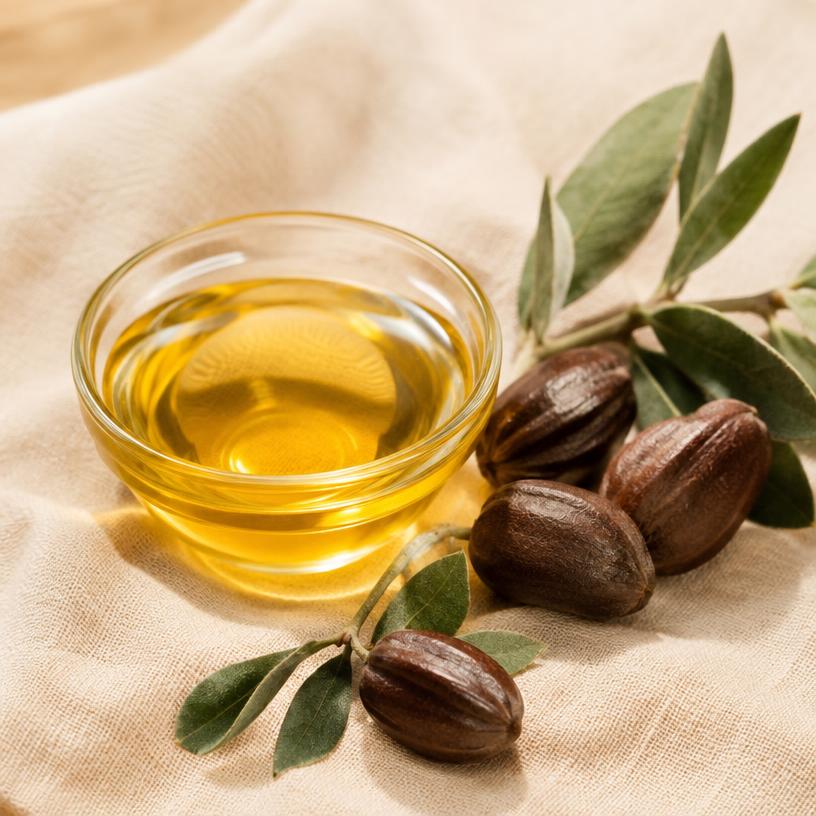
Simmondsia chinensis
Softness with a smooth glide
Seed-derived liquid wax, commonly called jojoba oil. Its wax-ester structure differs from the triglyceride structure of many plant oils.
An emollient that helps soften and smooth skin and supports the blend's massage glide.
Jojoba is native to desert regions of the southwestern United States and northern Mexico. Its botanical name does not mean it originates in China. Supplier-batch geography remains unverified.
The 2021 review describes historical skin and hair uses by communities in jojoba's native range. Historical use is context, not proof of effectiveness or an endorsement of this finished product.
Evidence: Ingredient review · cosmetic formulations · preliminary experimental research
A 2021 review describes jojoba's wax esters, skin-conditioning uses and formulation research. It also discusses preliminary anti-inflammatory investigations. These cover different experimental preparations and formulations, rather than demonstrating an effect from HERFORM's blend.
The role claimed here is cosmetic emollience. Mechanistic findings do not make the wax an anti-inflammatory treatment or a remedy for skin conditions.
Premium jojoba is the intended specification. Cold pressing is not claimed for jojoba without supplier confirmation. Botanical identity, extraction, refinement, source and batch documents are still to be checked.
Aromatic note · Mint only
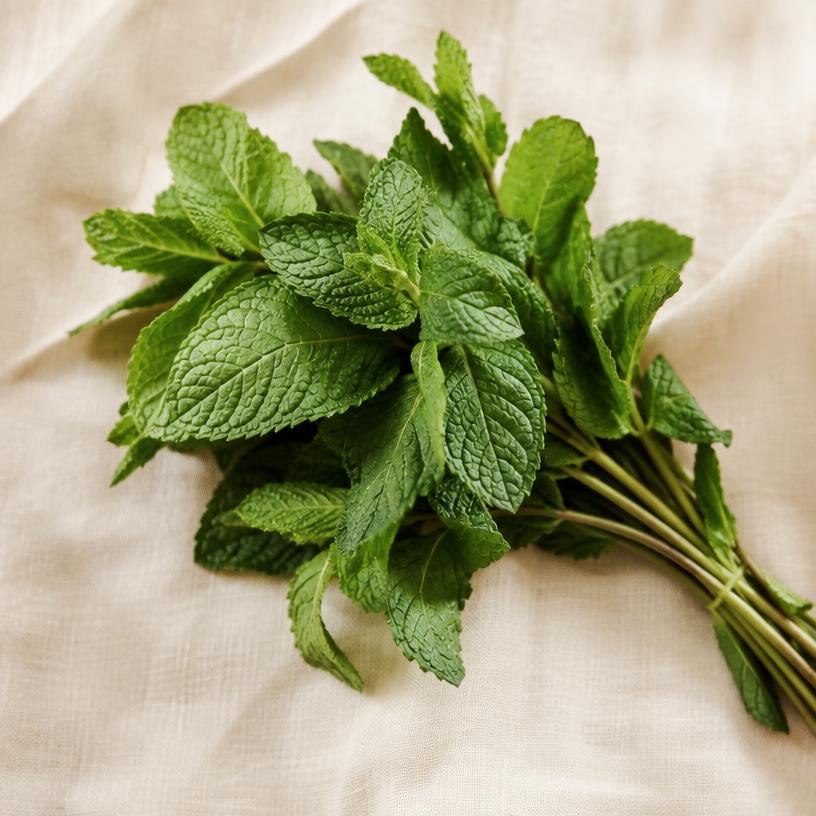
Mentha × piperita
Crisp herbal fragrance, a cool-feeling ritual
An aromatic essential oil associated with peppermint leaves and aerial parts; the final supplier plant parts and distillation specification remain pending.
Reviving Mint's peppermint-forward fresh scent and gently cool-feeling sensory character.
Peppermint is a cultivated hybrid of watermint and spearmint with European horticultural history. It is grown in many countries; that history does not identify the source of HERFORM's oil.
Peppermint has a long European history in gardens, household teas and aromatic preparations. These uses do not establish a clinical effect from a topical cosmetic blend.
Evidence: Sensory-channel research · laboratory mechanism
Research published in Nature in 2007 examines TRPM8, a sensory channel responsive to cold and menthol. Menthol can evoke a perception of coolness. The study concerns sensory signalling, not proof that a peppermint cosmetic lowers tissue temperature or treats inflammation.
Cool-feeling is a sensory description, not cooling an injury or a therapeutic outcome. Irritation and sensitisation are possible; patch testing and the final safety assessment matter.
Species identity, essential-oil composition, supplier origin and extraction records remain to be verified. No menthol concentration, purity percentage or pesticide-free claim is made.
Aromatic note · Rose only
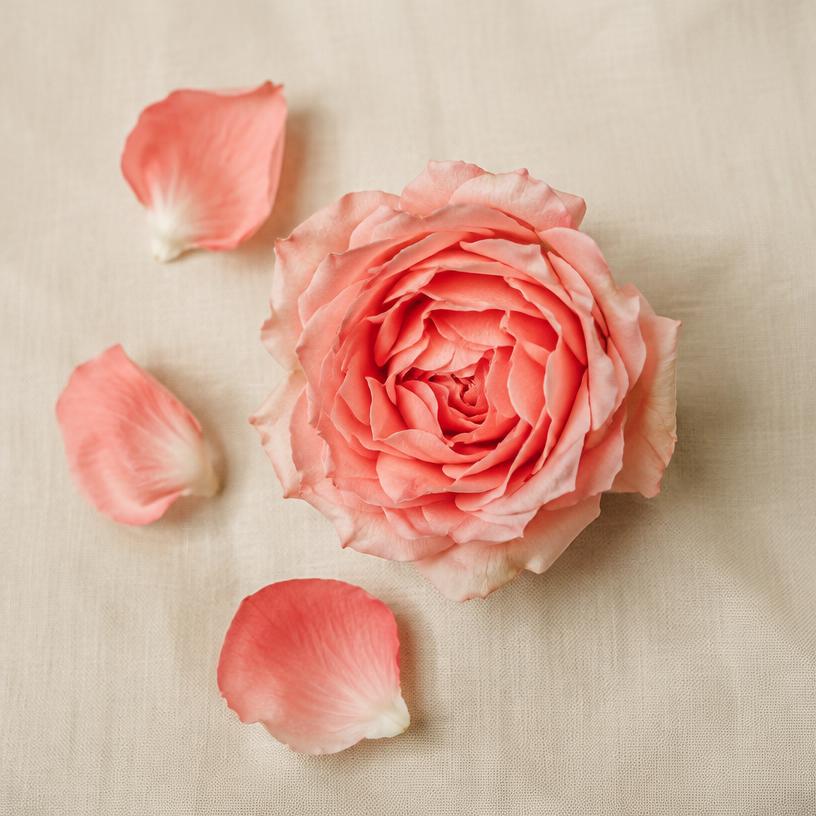
Rosa damascena
A fine floral evening note
A flower-petal absolute, planned pre-diluted in jojoba. Absolutes are often obtained through solvent extraction; they are not the same preparation as distilled rose essential oil or rose-water hydrosol. The actual supplier process and carrier need verification.
Restorative Rose's soft floral fragrance for a comforting sensory wind-down ritual, not a clinical relaxation effect.
Damask rose has a long cultivation history associated with Persia. Modern cultivation includes Turkey, Bulgaria and Iran; cultivation centres are not a verified native range or proof of supplier origin.
Rose petals feature in perfumery and rose-water traditions associated with Persia and neighbouring regions. Historic rose water, modern essential oil and an absolute differ in preparation and composition.
Evidence: Reviews of varied rose preparations and routes
Reviews examine rose research using different preparations, including essential oil, extracts and aromatic exposure. Findings cannot be transferred automatically to an absolute diluted in jojoba or a wax. The preparation, concentration and route of exposure must match before evidence can be applied.
A soft fragrance is not evidence of treating anxiety or pain. No clinical relaxation, anti-anxiety or analgesic benefit is claimed for Restorative Rose.
Absolute identity, extraction method, residual-solvent specifications where relevant, jojoba carrier and supplier-batch origin require documentation. No certification, purity percentage or country of supply is confirmed.
Balm body · Both rituals
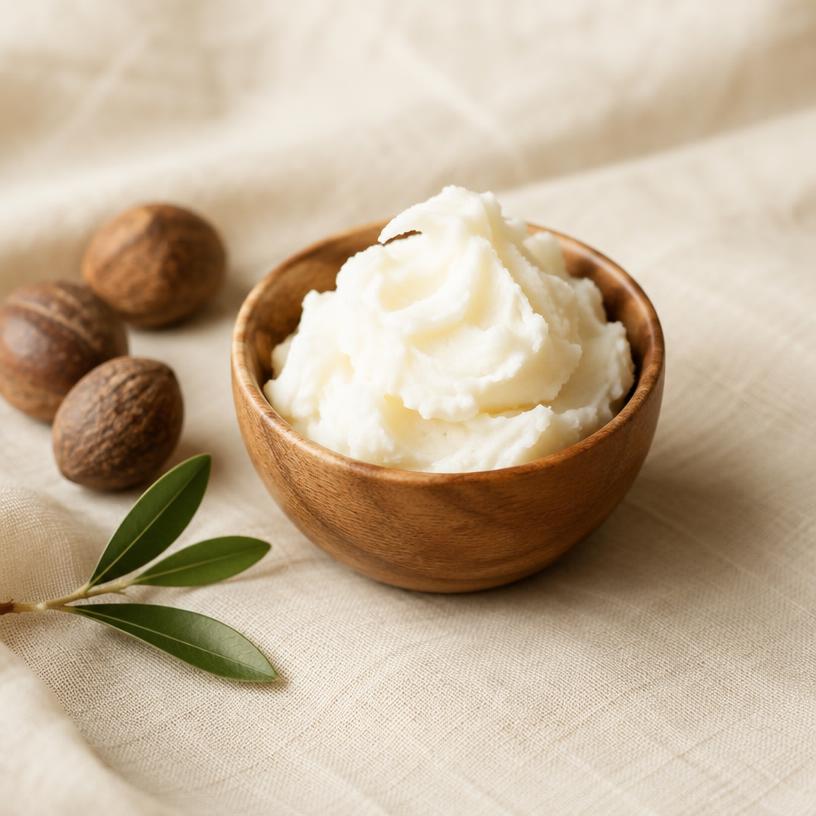
Vitellaria paradoxa · cosmetic name Butyrospermum parkii
Rich texture for softer-feeling skin
Butter from the shea seed kernels. HERFORM's planned ingredient declaration uses refined shea butter; final supplier specifications remain pending.
Provides emollient richness and helps moisturise and soften skin within the balm body.
Kew records the shea tree's native range from western tropical Africa to Ethiopia and Uganda. It grows across the African savanna belt; none of that verifies the source of HERFORM's butter.
Shea butter has been used for generations in skin and hair care in its African growing regions. Traditional use gives cultural context, not a finished-product therapeutic claim.
Evidence: Formulation research · cell models
A study of a cream containing shea butter, Silkflo and vitamin E investigated that combination in cell models. It is not a test of shea butter alone, nor of HERFORM's water-free wax. The emollient texture is the cosmetic role described here.
A multi-ingredient cream's cell-model findings cannot prove anti-inflammatory effects of standalone butter or HERFORM's different formulation.
Refinement, INCI identity, supplier origin and batch quality records will be checked. Organic status, purity percentage, source community and pesticide-free production are not confirmed.
Balm body · Both rituals
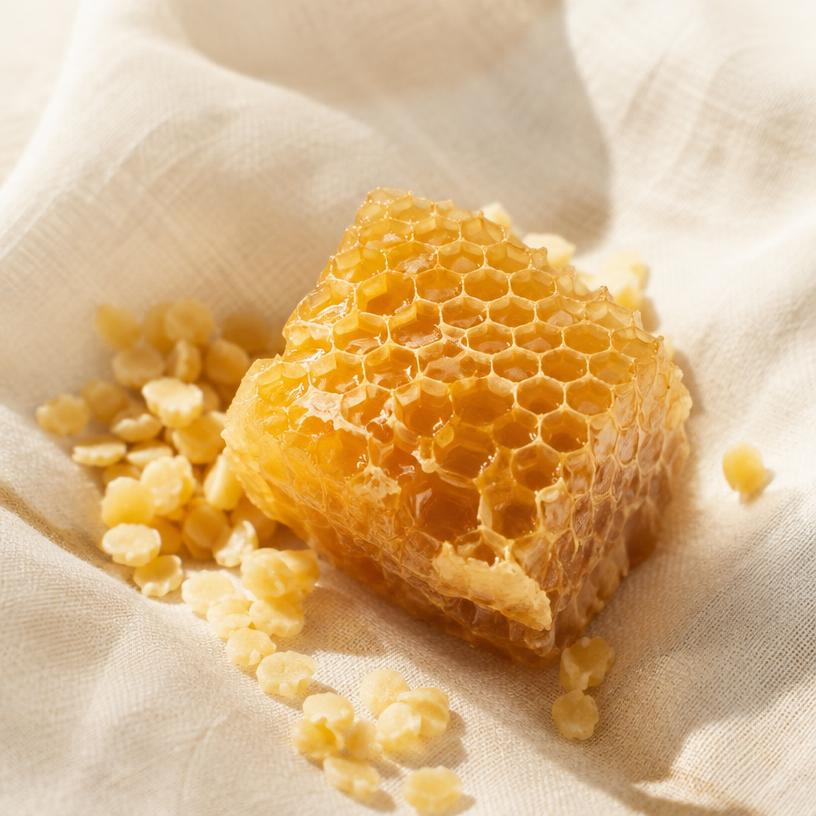
Cera alba · bee-produced wax; Apis mellifera
Structure and a moisture-supporting finish
Wax produced by honeybees, commonly Apis mellifera; Cera alba is the cosmetic ingredient name. Beeswax is not a plant ingredient. Supplier processing and species/source details need confirmation.
Gives the wax its body and controlled glide. In cosmetic formulations, beeswax can contribute a semi-occlusive layer that helps retain moisture on skin.
Honeybees are kept in many regions worldwide. Species distribution does not identify a beekeeper or the origin of HERFORM's wax; no beekeeper location is confirmed.
Beeswax has a long history as a structuring ingredient in ointments and salves. Here that history explains texture and formulation, not the treatment purposes of historic remedies.
Evidence: Skin-care review · modest clinical formulation literature
A 2023 review examines beeswax in skin care, including barrier-related properties in formulations. Clinical literature is modest and often concerns blends, so it cannot isolate beeswax's contribution or establish an effect for HERFORM wax.
Formulation-level observations do not demonstrate that HERFORM treats eczema, infection or other skin conditions. The product's claimed role is cosmetic structure, glide and moisture retention.
INCI, processing, geographic source and batch testing will be checked. No organic, certified-pure or percentage-purity claim is made. Beeswax is animal-derived, so the planned wax is not vegan.
No supplier certificates have been provided for this page. Intended premium specifications are not per-batch verification.
These checks are pending and will be completed before final claims. We do not assert verified batch origin, purity percentages, organic certification, pesticide absence, shelf life or ingredient concentrations. Photographs do not prove what is in any batch.
Contains aromatic botanical oils and beeswax. Check the full ingredients for known allergies and patch test first; either scent may cause sensitivity. External use only. Avoid eyes, face, mucous membranes, and broken or irritated skin. Stop use if irritation occurs. Keep out of reach of children. Not intended for children. Seek professional advice before use during pregnancy or breastfeeding. Do not apply over an injury, unexplained swelling or suspected blood clot.
Australia's TGA explains that intended purpose and advertising claims help determine whether a product is cosmetic or therapeutic. A disclaimer does not turn treatment claims into cosmetic claims. Our intended claims stay with skin conditioning, moisture, massage glide and fragrance.
TGA — Determining if your product is a cosmetic or therapeutic good · June 2024Botanical Recovery Wax is coming soon, not orderable. Proposed retail prices remain Mint AU$34 / Rose AU$38. The 60 mL tin capacity is not a confirmed net gram weight. Product specifications and packaging remain subject to final validation.
Back to HERFORM Shop